
Unveiling the Power. What Is Ashwagandha Good For
What is ashwagandha good for and what exactly is it. For centuries, the wisdom of Ayurveda has championed a remarkable herb known as Ashwagandha (Withania somnifera).
Revered for its potent medicinal properties, this resilient plant, often called “Indian Ginseng,” has re-emerged into the modern spotlight as a powerful adaptogen. But what exactly is Ashwagandha good for, and how can you ensure you’re harnessing its full potential?
Ashwagandha’s true magic lies in its adaptogenic nature. This means it helps the body adapt to and resist stress, both physical and mental. Instead of targeting specific symptoms, it works at a foundational level to restore balance and promote overall well-being.
What is Ashwagandha Good For? Unpacking the Benefits
In deciding what is ashwagandha good for, one needs to review the research. The research on Ashwagandha is continually expanding, revealing a diverse range of benefits that impact various aspects of health and well-being. Here’s a breakdown of its most prominent advantages:
1. Stress and Anxiety Reduction:
What is Ashwagandha good for concerning stress. This is perhaps Ashwagandha’s most well-known benefit. It works by modulating the body’s stress response system, specifically by reducing cortisol levels, the primary stress hormone. This can lead to:
* Reduced feelings of anxiety and nervousness.
* Improved mood and emotional resilience.
* Better sleep quality and ability to fall asleep.
* Decreased rumination and obsessive thoughts.
2. Enhanced Cognitive Function:
What is Ashwagandha good for with cognitive benefits. Ashwagandha’s neuroprotective properties can contribute to a sharper mind:
* Improved memory and learning abilities.
* Increased focus and concentration.
* Enhanced executive function (decision-making, problem-solving).
* Protection against age-related cognitive decline.
3. Boosted Energy Levels and Reduced Fatigue:
What is Ashwagandha good for with energy levels. While it calms the mind, Ashwagandha can also invigorate the body:
* Combating general fatigue and exhaustion.
* Increasing stamina and endurance.
* Supporting the body’s energy production processes.
* Beneficial for individuals experiencing burnout.
4. Improved Physical Performance:
Athletes and fitness enthusiasts can also reap the rewards of Ashwagandha:
* Increased muscle strength and size.
* Enhanced endurance and reduced exercise-induced muscle damage.
* Faster recovery times after strenuous activity.
* Improved oxygen utilization.
5. Support for Reproductive Health:
Ashwagandha has a historical reputation for supporting reproductive health in both men and women:
* What is Ashwagandha good for In men: It can improve sperm count, motility, and testosterone levels, potentially aiding fertility.
* What is Ashwagandha good for in wo men: It may help regulate menstrual cycles, reduce menopausal symptoms like hot flashes, and improve libido.
6. Immune System Support:
What is ashwagandha good for with immunity. By modulating the immune response, Ashwagandha can contribute to a healthier immune system:
* Enhanced immune cell function.
* Anti-inflammatory properties that can help reduce chronic inflammation.
* May help the body fight off infections more effectively.
7. Blood Sugar Management:
What is ashwagandha good for, can it help with pre-diabetes? Emerging research suggests Ashwagandha may play a role in maintaining healthy blood sugar levels:
* Improved insulin sensitivity.
* Reduced fasting blood glucose levels.
* May be beneficial for individuals managing prediabetes or type 2 diabetes (always consult a healthcare professional).
8. Heart Health:
Ashwagandha’s potential benefits extend to cardiovascular well-being:
* May help reduce blood pressure.
* Can improve cholesterol profiles by reducing LDL (“bad”) cholesterol and triglycerides.
* Antioxidant properties may protect against oxidative stress in the heart.
What to Look For in Good Quality Ashwagandha
With the growing popularity of Ashwagandha, the market is flooded with various products. To ensure you’re getting a high-quality supplement that delivers on its promises, consider these factors:
1. Root Extract vs. Whole Herb:
* Root Extract: This is generally considered the most potent part of the Ashwagandha plant and contains the highest concentration of beneficial compounds called withanolides. High-quality supplements will typically list the standardized concentration of withanolides.
* Whole Herb: While offering some benefits, whole herb powders may have a lower concentration of active compounds and can be less potent.
2. Standardization of Withanolides:
* This is crucial! Look for products that are standardized to a specific percentage of withanolides, typically 5%. This ensures a consistent and potent dose in every serving. Phrases like “standardized to 5% withanolides” are a good indicator.
3. Third-Party Testing and Certifications:
* Reputable brands will undergo third-party laboratory testing to verify the purity, potency, and absence of contaminants like heavy metals, pesticides, and microbes.
* Look for certifications such as USP (United States Pharmacopeia), NSF International, or GMP (Good Manufacturing Practices). These indicate adherence to strict quality control standards.
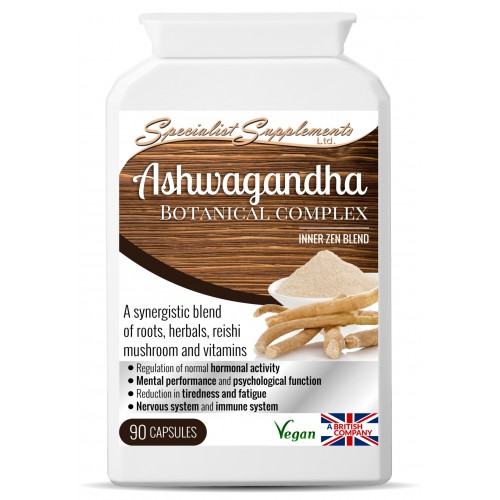 4. Form of the Supplement:
* Capsules: The most common and convenient form.
* Powder: Can be added to smoothies or drinks, but may have a strong taste.
* Tinctures/Liquid Extracts: Offer faster absorption but can be expensive.
* Tablets: Can sometimes contain binders and fillers.
5. Ingredient List and Purity:
* Minimal Ingredients: Opt for products with a short ingredient list, primarily containing Ashwagandha extract.
* Avoid Fillers and Additives: Be wary of products with excessive fillers, artificial colors, flavors, or preservatives.
* Organic Certification: If possible, choose organic Ashwagandha to minimize exposure to pesticides and herbicides.
6. Brand Reputation and Reviews:
* Research the brand’s history, their commitment to quality, and read customer reviews. Look for brands with a consistent track record of positive feedback regarding efficacy and quality.
7. Bioavailability:
* Some enhanced absorption formulations exist, often incorporating ingredients like piperine (black pepper extract) to increase the bioavailability of the withanolides. While not always necessary, it can be an added benefit.
In Conclusion:
What is ashwagandha good for in navigating the challenges of modern life.
Its ability to combat stress, enhance cognitive function, boost energy, and support overall well-being makes it a valuable addition to a holistic health regimen.
By understanding its benefits and carefully choosing high-quality, standardized supplements, you can confidently harness the ancient wisdom of Ashwagandha to cultivate a more balanced, resilient, and vibrant life.
As always, it’s recommended to consult with a healthcare professional before starting any new supplement, especially if you have underlying health conditions or are taking medications.