Magnesium Energy Link
Magnesium energy link is real. Magnesium plays a crucial role in energy production within your cells. Here’s an example illustrating how it can help boost energy levels:
Scenario: Sarah is feeling constantly drained, struggling to get through her workday, and finding it hard to muster the energy for her evening yoga class. She’s been feeling this way for weeks and decides to talk to her doctor. After discussing her diet and lifestyle, her doctor suggests increasing her magnesium intake, as her diet might be a bit low in this essential mineral, while pointing out the magnesium energy connection.
How Magnesium Helps (The Mechanism):
At a cellular level, energy production in our bodies relies on a molecule called Adenosine Triphosphate (ATP). Think of ATP as the primary “energy currency” of your cells. To create and release this energy, a complex series of biochemical reactions needs to happen.
Magnesium is a cofactor for many of the enzymes involved in these reactions. A cofactor is like a helper molecule that is essential for an enzyme to function properly. Without enough magnesium, these enzymes can’t efficiently convert the food we eat (carbohydrates, fats, and proteins) into usable ATP.
Specifically, magnesium is critical for:
* ATP Synthesis and Utilization: Many enzymes that attach and detach phosphate groups from ATP require magnesium to function. This is essential for both creating ATP and releasing its energy.
* Glycolysis: The initial breakdown of glucose for energy.
* The Citric Acid Cycle (Krebs Cycle): A major pathway for ATP production.
* The Electron Transport Chain: The final stage of cellular respiration where the majority of ATP is generated.
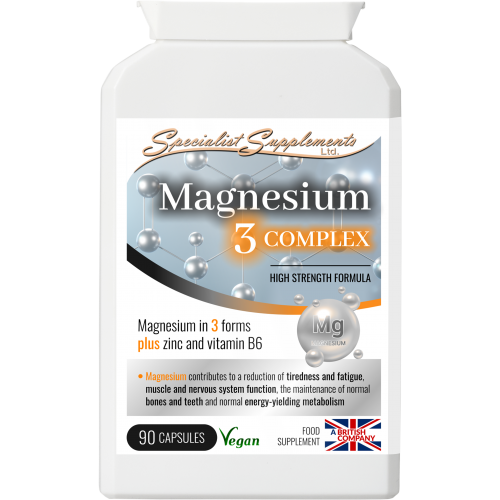 The Magnesium Energy Boost Example in Action:
Sarah starts incorporating more magnesium energy-rich foods into her diet, such as:
* Leafy green vegetables: Spinach, kale
* Nuts and seeds: Almonds, pumpkin seeds, chia seeds
* Whole grains: Brown rice, quinoa
* Legumes: Black beans, lentils
* Dark chocolate (in moderation!)
After a few weeks of consistent increase in magnesium intake, Sarah notices a positive change:
* Improved Stamina: She no longer feels that overwhelming fatigue halfway through her workday. She can focus better and is more productive.
* Easier to Wake Up: Her mornings feel less groggy, and she has more motivation to start her day.
* Increased Exercise Performance: She finds she has more endurance during her yoga class and is able to hold poses for longer. She doesn’t feel as depleted afterwards.
* Reduced Brain Fog: Her thinking feels clearer, and she’s less prone to that “foggy” feeling that used to accompany her fatigue.
In essence: By ensuring her cells have a sufficient magnesium energy link, Sarah’s enzymes are now able to work more efficiently to convert the energy from her food into ATP. This readily available magnesium energy lift is then used by all her cells, including muscle cells and brain cells, leading to a noticeable boost in her overall energy levels, improved physical performance, and enhanced mental clarity.
Important Note: While magnesium is vital for energy production, it’s not a “quick fix” like a stimulant. Its benefits are realized through consistent intake and proper cellular function over time. If you are experiencing chronic fatigue, it’s always best to consult a healthcare professional to rule out any underlying medical conditions.