
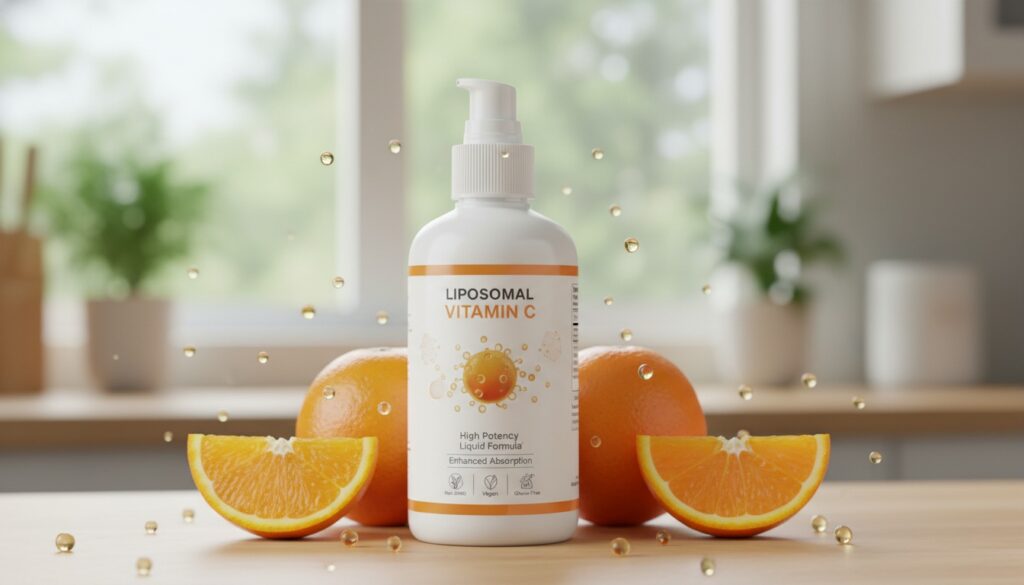
Liposomal Vitamin C Benefits
1. What is liposomal vitamin C, and how is it different from regular vitamin C?
Liposomal vitamin C benefits encloses vitamin C within tiny lipid bubbles (liposomes). This structure shields the vitamin C from degradation in the digestive tract and allows for improved absorption into the bloodstream. Unlike regular vitamin C, which can be lost during digestion and may have lower bioavailability, liposomal vitamin C’s protective coating facilitates its passage through cell membranes, potentially leading to higher and more sustained levels in the body. This enhanced delivery system aims to maximise the benefits of vitamin C.
2. How does liposomal vitamin C work? What makes it more bioavailable?
Liposomal vitamin C benefits work by encapsulating vitamin C within tiny fat-soluble spheres called liposomes. These liposomes act as protective carriers, shielding the vitamin C from degradation in the digestive tract. Upon reaching the small intestine, the liposomes are easily absorbed by the body’s cells. This allows for a more direct and efficient delivery of vitamin C into the bloodstream and tissues compared to conventional forms. This enhanced absorption, or bioavailability, means more of the vitamin C is utilized by the body for its various health benefits.
3. What are the potential liposomal vitamin C Benefits?
Liposomal vitamin C benefits offer enhanced bioavailability, meaning your body absorbs more of the nutrient. This improved absorption can lead to significant benefits, including a stronger immune system, as vitamin C is crucial for immune cell function. Its potent antioxidant properties help combat free radical damage, protecting cells from oxidative stress and potentially reducing inflammation. Furthermore, it plays a vital role in collagen synthesis, supporting skin health, wound healing, and joint function. Some users report increased energy levels due to its involvement in cellular processes.
4. What is the recommended dosage for liposomal vitamin C, and how should it be taken?
Liposomal vitamin C dosage varies widely, with typical recommendations ranging from 500mg to 2000mg daily, often split into multiple doses. Start with a lower dose and gradually increase as tolerated to avoid digestive upset. It’s generally best taken with food to enhance absorption and minimize potential stomach discomfort. Some prefer to mix it with water or juice, while others find it palatable straight from the spoon. Always consult your healthcare provider for personalized dosage advice based on your individual needs and health status.
5. Are there any side effects associated with liposomal vitamin C?
While generally well-tolerated, liposomal vitamin C can cause mild side effects in some individuals. The most common are digestive issues like nausea or upset stomach, especially at higher doses. Others might experience diarrhoea or bloating. These are typically transient and resolve on their own. It’s always advisable to start with a lower dose and consult a healthcare professional, particularly if you have pre-existing conditions or are taking other medications, to ensure it’s appropriate for you and to manage any potential discomfort.
6. Are liposomal vitamin C benefits worth the extra cost compared to regular vitamin C?
Liposomal vitamin C benefits can be worth the extra cost for some. Its encapsulation in liposomes theoretically enhances absorption, meaning more vitamin C might reach your bloodstream. This could be beneficial for individuals with absorption issues or those seeking higher supplemental doses. However, for most healthy individuals with adequate dietary intake, regular vitamin C is likely sufficient. Unless you have a specific deficiency or absorption problem, the greater expense of liposomal C may not translate to significantly better results. Always consider your individual needs and consult a healthcare professiona
7. Who is Liposomal Vitamin C For?
Liposomal Vitamin C is for anyone seeking enhanced absorption and bioavailability of this essential nutrient. It’s ideal for individuals who experience digestive sensitivity with standard oral vitamin C, or those looking for a more potent immune support and antioxidant boost. People with certain health conditions, busy lifestyles, or higher vitamin C needs might also benefit. Basically, if you want the most efficient way to get your vitamin C into your cells, liposomal is a prime contender
8. What Benefits Do I derive From Vitamin C?
Vitamin C offers a potent shield for your body. It’s a powerful antioxidant, neutralizing damaging free radicals that contribute to aging and disease. Crucially, it bolsters your immune system, helping you fight off infections. Vitamin C is essential for collagen production, vital for healthy skin, wound healing, and strong connective tissues. It also aids iron absorption, preventing deficiency, and may even improve heart health by managing blood pressure. From boosting energy to protecting against illness, vitamin C is a multifaceted nutrient supporting your overall well-being.
9. What Is a Liposomal Supplement?
A liposomal supplement is a dietary supplement enclosed in tiny, spherical structures called liposomes. These liposomes are composed of phospholipids, the same material that makes up our cell membranes. This lipid bilayer structure mimics our own cells, allowing the liposomes to effectively encapsulate and protect the active nutrient. This enhanced protection aids in better absorption and bioavailability. Essentially, liposomal technology helps deliver nutrients more efficiently into the bloodstream, potentially making them more potent and readily utilized by the body compared to traditional delivery methods.
10. What Is Bioavailability?
Bioavailability refers to the proportion of a drug that successfully enters the bloodstream and reaches its intended site of action. It’s a crucial factor in determining a medication’s effectiveness. Factors influencing bioavailability include the route of administration (e.g., oral, intravenous), how well the drug is absorbed by the body, and how rapidly it’s metabolized or eliminated. For instance, intravenous drugs have 100% bioavailability as they are delivered directly into the bloodstream. Understanding bioavailability helps in optimizing drug dosages and choosing the most effective administration methods for patients.