
Does Ashwagandha Work? Unpacking the Science Behind This Ancient Herb
Does ashwagandha work is a question on many minds today, as this potent adaptogenic herb gains widespread popularity for its potential health benefits. But beyond the anecdotal evidence and buzz, what does the science truly say? If you’re curious about harnessing the power of ashwagandha, understanding its efficacy is crucial.
This comprehensive guide delves into the research, exploring how and why does ashwagandha work for various aspects of well-being, from stress and anxiety to cognitive function and physical performance.
What Exactly is Ashwagandha?
Ashwagandha (Withania somnifera) is a revered herb in Ayurvedic medicine, a traditional Indian system of healing. For centuries, it has been used to promote vitality, reduce fatigue, and enhance overall resilience to stress. Its name, often translated as “smell of the horse,” alludes to its invigorating properties and the belief that it imparts strength and stamina.
The magic of ashwagandha lies in its bioactive compounds, primarily withanolides. These powerful phytonutrients are thought to be responsible for its therapeutic effects.
How Does Ashwagandha Work? The Science Explained
So, does ashwagandha work by a single miraculous mechanism? Not quite. Its efficacy stems from a multifaceted approach that targets various physiological pathways:
* Stress Reduction and Cortisol Regulation: One of the most extensively studied areas where does ashwagandha work is in its ability to combat stress. Ashwagandha acts as an adaptogen, meaning it helps your body adapt to and manage stress. It achieves this by:
* Lowering Cortisol Levels: Cortisol is known as the “stress hormone.” Chronic elevated cortisol can lead to a cascade of negative health effects. Studies have shown that ashwagandha supplementation can significantly reduce cortisol levels in stressed individuals. This is a key reason why many people ask, “does ashwagandha work for stress?” and the answer, backed by research, is often yes.
* Modulating the Hypothalamic-Pituitary-Adrenal (HPA) Axis: This axis is central to the body’s stress response. Ashwagandha appears to help regulate its activity, preventing an overactive stress response.
* Combating Anxiety: Building on its stress-reducing properties, does ashwagandha work for anxiety? Research suggests it does. By calming the nervous system and reducing cortisol, ashwagandha can contribute to feelings of tranquility and mental calmness. Clinical trials have indicated a reduction in symptoms of anxiety and improved overall psychological well-being in participants taking ashwagandha.
* Enhancing Cognitive Function: Beyond stress, many are interested in whether does ashwagandha work for brain health. Evidence points towards its potential to:
* Improve Memory and Concentration: Some studies suggest that ashwagandha can enhance cognitive functions like memory, attention, and information processing speed. This is attributed to its antioxidant properties, which protect brain cells from damage, and its potential to promote nerve cell growth.
* Neuroprotective Effects: The antioxidant and anti-inflammatory compounds in ashwagandha may offer protection against age-related cognitive decline and neurodegenerative diseases.
* Boosting Physical Performance and Strength: For athletes and fitness enthusiasts, the question “does ashwagandha work for muscle gain and stamina?” receives a promising response from certain studies. Research indicates that ashwagandha may:
* Increase Muscle Mass and Strength: By reducing exercise-induced muscle damage and improving recovery, ashwagandha can support the development of lean muscle mass and increase strength.
* Enhance Endurance: Some studies suggest improvements in cardiorespiratory endurance, allowing for longer and more intense workouts.
* Supporting Hormone Balance: In men, there’s considerable interest in whether does ashwagandha work for testosterone levels. Preliminary research suggests it may play a role in:
* Improving Testosterone Levels: Several studies have shown that ashwagandha supplementation can lead to a significant increase in testosterone levels in men, particularly those who are infertile or experiencing stress.
* Improving Sperm Quality: This increase in testosterone may also contribute to improved sperm count and motility.
* Anti-inflammatory and Antioxidant Properties: At its core, a significant part of why does ashwagandha work is due to its potent antioxidant and anti-inflammatory capabilities. These properties help protect your body’s cells from damage caused by free radicals and reduce inflammation, which is linked to numerous chronic health conditions.
Evidence-Based Insights: What the Studies Say
While anecdotal evidence is compelling, what does the scientific literature conclude about does ashwagandha work?
* Stress and Anxiety: Numerous clinical trials have demonstrated ashwagandha’s effectiveness in reducing perceived stress and anxiety levels. Meta-analyses of these studies often confirm a statistically significant benefit.
* Cognitive Function: While research is ongoing, several studies have shown positive effects on memory, attention, and executive functions. More extensive trials are needed to solidify these findings.
* Athletic Performance: Studies focusing on athletes have reported significant improvements in muscle strength, endurance, and VO2 max (a measure of aerobic capacity) with ashwagandha supplementation.
* Testosterone Levels: For men, consistent research suggests that ashwagandha can positively impact testosterone levels and sperm quality, especially in individuals with lower baseline levels or infertility.
Who Can Benefit from Ashwagandha?
Given the versatile ways does ashwagandha work, it can be beneficial for various individuals:
* Those Facing High Stress: Individuals in demanding professions, with busy lifestyles, or experiencing significant life changes.
* People with Anxiety Symptoms: Those seeking natural ways to manage feelings of worry and nervousness.
* Students and Professionals: Individuals looking to support focus, memory, and cognitive performance.
* Athletes and Fitness Enthusiasts: People aiming to enhance strength, endurance, and recovery.
* Men’s Health: Individuals interested in supporting healthy testosterone levels and reproductive health.
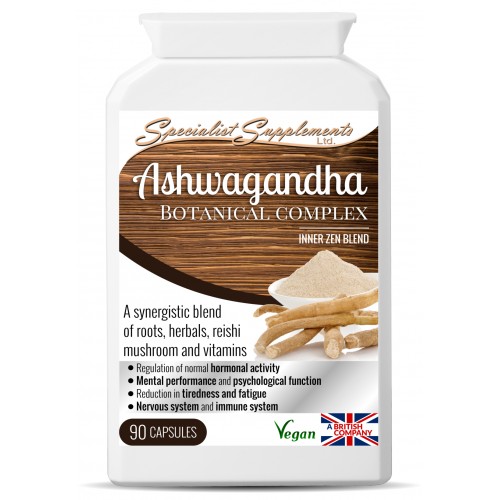 Will Ashwagandha Work for Everyone? Considerations and Dosage
While the research is promising, it’s important to acknowledge that individual responses can vary. The effectiveness of ashwagandha can depend on:
* Dosage: Optimal dosages typically range from 200-500 mg of standardized extract per day. However, this can vary, and it’s best to follow product recommendations or consult a healthcare professional.
* Quality of Supplement: Choose reputable brands that use standardized extracts to ensure potency and purity.
* Individual Health: Pre-existing health conditions and medications can influence how ashwagandha works.
Important Note: If you are pregnant, breastfeeding, or have a medical condition, it is always advisable to consult with your doctor or a qualified healthcare professional before taking ashwagandha.
### Conclusion: The Verdict on “Does Ashwagandha Work?”
The scientific evidence strongly suggests that yes, ashwagandha works for a range of health concerns, particularly in managing stress and anxiety, and shows promising potential for cognitive enhancement and physical performance. Its adaptogenic properties make it a valuable tool for building resilience and supporting overall well-being in our fast-paced world.
By understanding *how* ashwagandha works and consulting with healthcare professionals, you can make informed decisions about incorporating this ancient herb into your modern health regimen.